Reviewing the Ramadan Embroidery Design
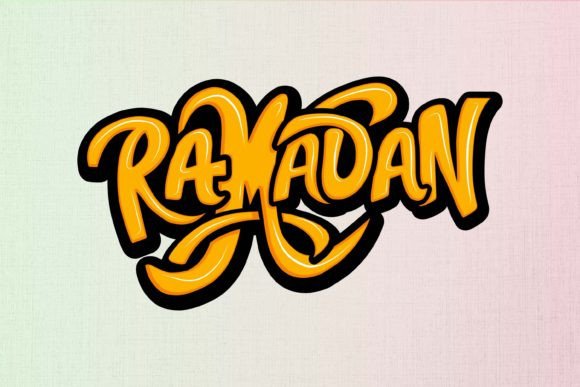
The Ramadan embroidery design caught my eye with its bold, graffiti-style lettering and dynamic typography. It feels modern, edgy, and full of energy—perfect for a design that needs to stand out in a crowd. The layout is clean but expressive, with a strong visual personality that leans into the cultural and artistic significance of the word "Ramadan." This isn’t just a simple text block; it’s a statement piece that could work well on a variety of projects.
First Impressions: A Design That Speaks Volumes
As an embroidery designer, I always look for designs that have a clear purpose and visual impact. Ramadan delivers on both fronts. The lettering is thick, confident, and has a graffiti-like feel that adds character. It’s not overly complicated, but it has enough detail to make it visually engaging without being overwhelming. The design seems to be meant for a specific audience—those looking for something meaningful, personal, or culturally relevant.
This kind of design would naturally fit into custom apparel, especially t-shirts, sweatshirts, and tote bags. It also has potential for baby items, like onesies or blankets, where the message can be both decorative and symbolic. The style is versatile enough to work on patches, caps, and even aprons, making it a good choice for small business owners and crafters looking for a unique design to add to their product lineup.
Real-World Use: How Ramadan Performs in Practice
When I tested the Ramadan design on a sample fabric, it looked great. The stitch density was appropriate for the level of detail, and the overall shape held up well. However, I noticed that some of the finer lines and corners required careful attention to ensure they didn’t get lost during the stitching process. This is something to keep in mind when working with smaller hoop sizes or delicate fabrics.
For a machine embroidery design, Ramadan works best on flat, stable surfaces. It’s not ideal for curved areas like caps or hoods, where the design might stretch or distort. If you’re planning to use it on a sweatshirt or tote bag, make sure the fabric is not too stretchy or thin, as that could affect the final look. For baby clothes, I’d recommend using a stabilizer to prevent puckering and ensure the design stays in place after washing.
One thing to note is that the design might not be the best fit for dark fabrics. While it’s possible to adjust thread colors, the contrast may not be as sharp as on lighter backgrounds. I’d suggest testing it on different fabric types before committing to a large batch of products.
Where to Use Ramadan with Caution
There are a few situations where the Ramadan design might not perform as well. For instance, if you're working with a small hoop size, the design might need to be resized or split into sections, which could affect the overall appearance. Similarly, on textured or stretchy fabrics, the design could lose some of its clarity, especially in areas with dense stitches.
If you're planning to use this as an applique design or incorporate it into a layered garment, extra care should be taken to ensure the layers don’t interfere with the embroidery. The same goes for detailed corners or tiny lettering—these elements might require additional support or adjustments to maintain their integrity.
For commercial embroidery projects, it's important to check the licensing terms before selling finished products or digital files. While the design seems well-suited for handmade products and personalized gifts, the user should confirm that they have the proper rights to use it in their specific context.
Impact on Visual Appeal and Customer Perception
The Ramadan design has a strong visual presence that can elevate the value of any project it’s used on. Its bold style makes it instantly recognizable, which is great for branding and marketing. When used on a custom t-shirt or tote bag, it can create a sense of authenticity and cultural connection that resonates with customers.
From a customer perspective, this design could be a hit for holiday gifts, especially around the time of Ramadan. It’s meaningful, unique, and has a professional look that makes it suitable for both personal and commercial use. However, it’s important to present it well—whether through printable mockups or high-quality digital previews—to set the right expectations.
For small shop owners and Etsy sellers, the design offers a solid foundation for creating attractive listings. It’s easy to customize, versatile, and has the potential to stand out in a competitive market. Just make sure to highlight its key features and how it can be adapted to different products.
Practical Tips for Embroidery Designers
Before using the Ramadan design in your next project, here are a few practical steps to take:
- Test the design on scrap fabric to see how it looks in real life.
- Check thread color contrast, especially if you're using it on dark or light backgrounds.
- Review the stitch density and adjust if necessary for your specific project.
- Confirm the hoop size required for the design and ensure your machine can accommodate it.
- Inspect small details and corners to make sure they remain intact after stitching.
- Test the design in black and white mockups to see how it translates without color.
- Compare the design on different fabric types to find the best match.
- Use the proper stabilizer to prevent puckering or distortion.
- Verify whether the design is suitable for both personal and commercial use.
- Confirm the licensing terms before selling finished items or digital products.
Final Thoughts: A Design Worth Considering
The Ramadan embroidery design is a strong option for anyone looking to add a meaningful, visually striking element to their work. It’s well-suited for custom apparel, handmade products, and personalized gifts, especially those with a cultural or symbolic angle. While it has its limitations, it’s a versatile design that can be adapted to a wide range of projects with the right preparation and care.
Whether you're an Etsy seller, a craft business owner, or a hobbyist, Ramadan offers a fresh and creative way to express ideas through embroidery. With proper testing and thoughtful application, it can become a valuable addition to your design assets and help you stand out in a crowded market.