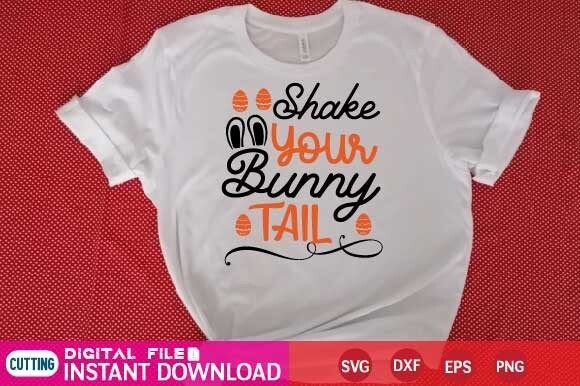
Shake Your Bunny Tail
As an embroidery designer and product reviewer, I’ve evaluated countless machine embroidery designs. Shake Your Bunny Tail stands out as a playful, versatile option that could work well in a range of projects. But like any design, it has its strengths and limitations depending on how you plan to use it.
First Impressions: A Whimsical Design with Potential
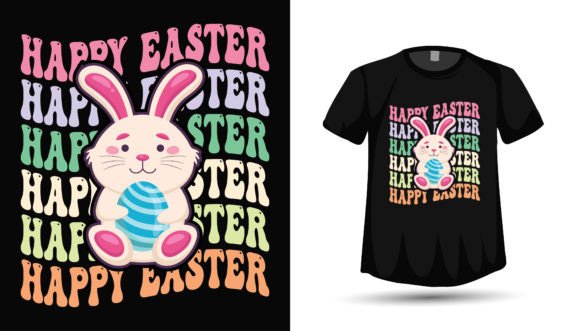
The first thing that catches your eye about Shake Your Bunny Tail is its cheerful, cartoonish aesthetic. The design features a stylized bunny with a long, flowing tail that appears to be shaking—hence the name. It’s simple yet expressive, with clean lines and a clear visual personality. The layout is balanced, making it easy to place on a variety of garments or items without feeling cluttered.
This design feels most at home on casual, fun-themed projects. Think of a custom tote bag for a child’s school event, a sweatshirt for a spring festival, or a baby onesie that parents will love. The theme is light-hearted and approachable, which makes it ideal for handmade products aimed at families, children, or anyone who appreciates a bit of whimsy.
Real-World Embroidery Use Cases
When considering where to apply this design, it’s important to think about the type of project and the fabric being used. For example, if you’re working on a custom t-shirt or a sweatshirt, Shake Your Bunny Tail would likely look great in a medium-sized hoop. The design isn’t overly detailed, so it should stitch out cleanly without requiring excessive time or precision.
On a baby onesie or a toddler’s jacket, the design could add a charming touch. However, care must be taken with fabric texture. If the material is too thin or stretchy, the stitches might not hold up over time. A stabilizer would be essential here to prevent puckering or distortion.
For a more commercial application, such as a boutique product or Etsy listing, this design could work well as a printable mockup or digital embroidery file. It’s also a good candidate for an embroidered patch, especially if you’re looking to create a small, personalized gift or a branded item for a craft fair.
Where to Be Cautious: Limitations and Considerations
While Shake Your Bunny Tail is generally easy to work with, there are some situations where it may not perform as expected. For instance, if you’re trying to fit it into a small hoop, you may need to adjust the size or split the design into sections. This can complicate the process, especially if you're short on time or working on a tight deadline.
Another area to watch is fabric color and texture. On dark fabrics, the design may appear less vibrant, depending on the thread colors used. If you’re planning to use it on a black or navy background, consider using a contrasting thread color to ensure visibility. Similarly, on textured or thick fabrics, the stitches might not lie flat, affecting the overall appearance.
If you're working on a curved surface like a cap or a hat, the design may require some adjustment to maintain its shape. Tiny details, such as the bunny’s ears or the tail, could become distorted if the hoop isn’t properly positioned. Always test the design on scrap fabric before committing to a final project.
Impact on Visual Appeal and Customer Perception
One of the key factors in any embroidery project is how the finished product looks. Shake Your Bunny Tail has a friendly, recognizable style that can enhance the visual appeal of any garment or item it's applied to. It adds a personal touch that customers often appreciate, especially when it comes to handmade products or personalized gifts.
From a business perspective, this design could help build brand consistency, especially if you're creating a line of cute, family-friendly items. It also has strong giftability, making it a good choice for holiday or special occasion projects. Customers are more likely to engage with a design that feels unique and thoughtful, which can boost buyer confidence and repeat sales.
Practical Designer Notes: What to Check Before Using
Before using Shake Your Bunny Tail in your own projects, here are a few practical tips to keep in mind:
- Test on scrap fabric: Always try the design on a similar fabric to see how it looks and behaves.
- Check thread color contrast: Ensure the thread color complements the fabric and doesn’t fade or bleed.
- Review stitch density: Make sure the design isn’t too dense, which could cause puckering or stress on the fabric.
- Confirm hoop size: Adjust the design if necessary to fit your machine’s hoop size.
- Inspect small details: Pay attention to areas like the bunny’s face or tail to ensure they stitch out clearly.
- Use proper stabilizer: Especially important for delicate or stretchy fabrics.
- Verify licensing: If you plan to sell finished items or digital products, make sure the design allows for commercial use.
Final Thoughts: A Fun Design for the Right Project
Shake Your Bunny Tail is a fun, accessible design that works best on casual, lightweight garments and items. It’s not the most intricate or detailed design, but its simplicity makes it versatile and easy to adapt. Whether you're creating a custom t-shirt for a client, a handmade gift for a friend, or a small shop product for your online store, this design has potential—but it’s important to understand its limitations and how it will perform in real-world conditions.
As with any embroidery file, always take the time to test, adjust, and ensure it meets your standards before using it in a final project. With the right approach, Shake Your Bunny Tail can be a valuable addition to your design assets and a hit with your customers.