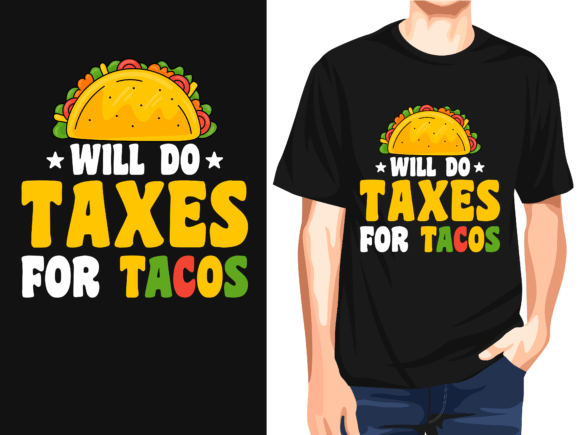
Will Do Taxes for Tacos T-Shirt Design
As an embroidery designer and product reviewer, I’ve seen my fair share of designs that look great on a screen but fall flat in real-world use. Will Do Taxes for Tacos T-Shirt Design is one that caught my eye not just for its humor, but for how it might translate into a practical, usable project. Let’s break down what this design offers and where it could shine—or stumble—in actual embroidery work.
The First Impression: A Playful Concept with Potential
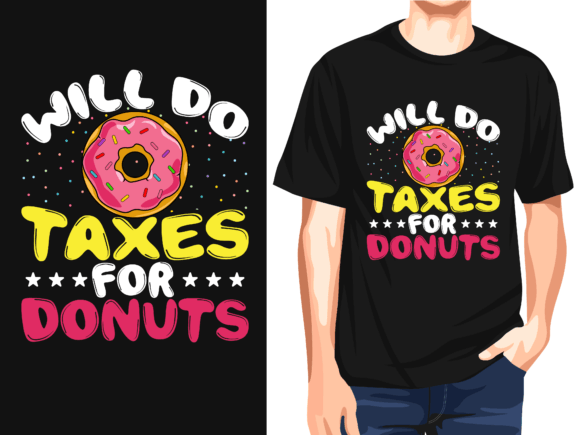
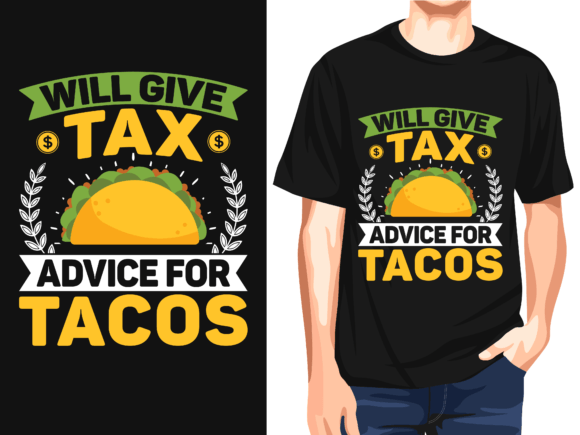
Will Do Taxes for Tacos T-Shirt Design has a lighthearted, tongue-in-cheek vibe that immediately sets the tone. The phrase itself is catchy and relatable, making it a strong candidate for casual wear or humorous gifts. The layout is clean, with a bold font that suggests it would work well in machine embroidery design. It doesn’t have too many intricate details, which is a plus for most embroidery machines and hoop sizes.
The visual personality of the design leans toward simplicity and clarity. It’s not overly complex, which means it should be easy to stitch without too much risk of thread breakage or misalignment. That said, the design’s effectiveness will depend heavily on how it’s adapted for different materials and projects.
Real-World Use Cases: Where This Design Fits Best
This design is ideal for custom apparel like t-shirts, sweatshirts, and tote bags. Its straightforward layout makes it a good fit for beginner and intermediate embroiderers alike. For small business owners or Etsy sellers, it could be a quick-to-produce item that still feels unique and personal.
I can see it working well as a sweatshirt embroidery or a tote bag design, especially for events or seasonal promotions. It also has potential as a baby embroidery project—though I’d be cautious about using it on thin fabric or stretchy material, where the design might not hold up as well over time.
For craft businesses or handmade shops, this design could be part of a larger collection of themed items. It might also serve as a printable mockup for digital product previews, helping customers visualize how it would look on different products before purchasing.
Challenges and Considerations: When to Be Cautious
While Will Do Taxes for T-Shirt Design is generally straightforward, there are some scenarios where it may require more attention. For instance, if you’re planning to use it on a cap or a curved surface, the design’s shape might not translate perfectly without some adjustments. Similarly, if the design includes tiny lettering or detailed corners, those areas could become problematic during stitching.
Textured fabrics or dark backgrounds may also affect how the design appears. If you’re using it on a dark-colored garment, make sure the thread colors contrast enough to be visible. On thin or stretchy fabric, the design might pucker or lose definition, so using the right stabilizer is crucial.
For commercial embroidery projects, it’s important to confirm that the design is licensed for such use. While the product description mentions it can be printed for a sweater, hoodie, or mug, it doesn’t specify licensing terms. Always double-check before selling finished products or digital assets.
Design Quality and Practicality: What You Need to Know
Will Do Taxes for T-Shirt Design seems to be a print-ready file, which is a big plus for designers who want to save time. However, without specific details on stitch count or file formats, it’s best to test the design on scrap fabric first. This will help you assess how it looks when stitched and whether any adjustments are needed for your particular machine or project.
Stitch density is another factor to consider. If the design uses a lot of satin stitch or fill stitch, it might be too dense for certain fabrics. On the flip side, if it relies on running stitch or sparse fills, it could appear too light or incomplete. Checking the design in black and white mockups can help you see how it will look on both light and dark backgrounds.
For embroidery projects that involve layered garments or decorative accents, this design might need some tweaking. It’s also worth considering how it will hold up after multiple washes, especially if it’s going to be used on items like aprons, tea towels, or blankets.
Embroidery Designer Notes: Tips for Success
- Test on scrap fabric: Before committing to a full project, try stitching the design on a similar fabric to see how it looks and behaves.
- Check thread color contrast: Make sure the thread colors you choose will stand out against the fabric you’re using.
- Review stitch density: Ensure the design isn’t too dense or too sparse for the material you're working with.
- Confirm hoop size: Some designs may require a larger hoop than others, so check compatibility with your machine.
- Inspect small details: Pay close attention to corners, lettering, and any fine lines that might get lost during stitching.
- Use proper stabilizer: This is essential for maintaining the integrity of the design, especially on delicate or stretchy fabrics.
- Check licensing: Confirm that the design is suitable for both personal and commercial use before selling or distributing it.
Final Thoughts: A Fun Design with Practical Applications
Will Do Taxes for T-Shirt Design is a fun and versatile option for embroidery projects. It’s simple enough to work well on a variety of items, from t-shirts to tote bags, and its playful theme could resonate with a wide range of customers. However, like any design, it requires careful consideration when it comes to fabric type, hoop size, and stitch density.
For small shop products, Etsy sellers, or craft businesses looking for quick-to-produce items, this design could be a valuable addition to your portfolio. Just remember to test it thoroughly and tailor it to your specific needs before finalizing any project.