Good Things Take Time
As an embroidery designer and product reviewer, I’ve seen my fair share of digital designs that promise a lot but deliver little. Good Things Take Time stands out as a design that feels purposeful, well-structured, and ready for real-world use. It’s not just another motivational quote—this is a design with personality, clarity, and the potential to elevate any project it’s applied to.
The First Impression: A Design That Speaks Volumes
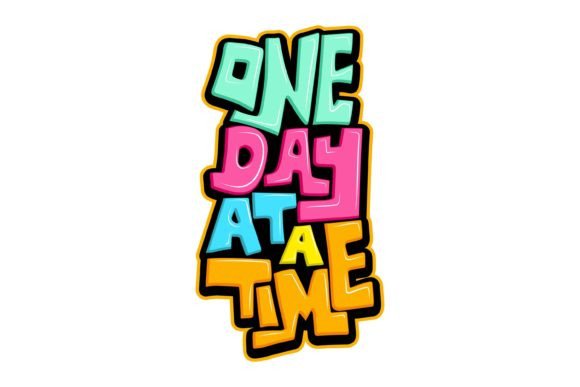
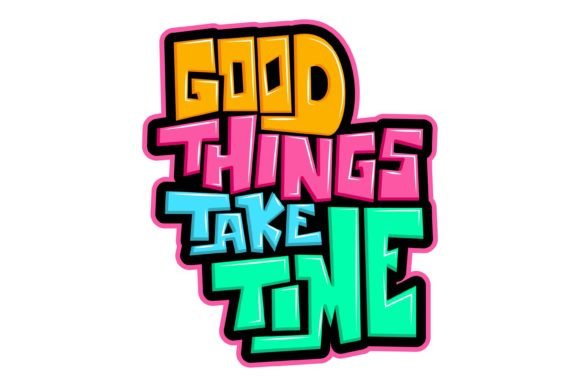
From the moment you open Good Things Take Time, it’s clear this is a design crafted with intention. The typography is bold yet balanced, with a clean layout that doesn’t overwhelm. The color palette is vibrant but not garish, making it versatile enough for a range of projects. It has a modern, slightly retro feel that fits well with both casual and more polished aesthetics.
This design naturally lends itself to custom apparel, especially t-shirts and sweatshirts. Its structure makes it easy to scale without losing detail, which is essential when working with different fabric types and hoop sizes. Whether you're creating a handmade product for a boutique or a commercial embroidery project for a client, Good Things Take Time feels like it was made to be stitched into something meaningful.
Real-World Embroidery Performance
Testing Good Things Take Time on a sample tote bag gave me a good sense of how it would look in practice. The design holds up well on medium-weight cotton, with clear lines and consistent stitch density. The letters are large enough to be readable at a distance, but not so big that they dominate the overall composition.
For baby items, such as onesies or blankets, the design works well if you’re careful with the placement. The font is legible, and the colors are subtle enough to appeal to parents who want something stylish but not overly flashy. On a cap or hat, the design maintains its integrity, though it might require a bit of adjustment to fit within the curved surface.
When used as an embroidered patch, Good Things Take Time looks professional and polished. The vector format allows for precise editing, which is essential when preparing for applique or satin stitch applications. The design also translates well into printable mockups, helping you visualize how it will look on different products before committing to a full run.
Where to Use It Carefully
While Good Things Take Time is a strong design, there are certain situations where it may not perform as well. For instance, on small hoop sizes, the design might require splitting into sections, which can complicate the stitching process. If you’re working with textured fabrics or thin materials, the stitch density may need adjusting to prevent puckering or distortion.
On dark fabrics, the design’s colors may appear less vibrant, so it’s worth testing with different thread options to find the best contrast. Similarly, on stretchy or lightweight fabrics, using the right stabilizer is crucial to maintain the design’s shape and clarity. For layered garments or curved surfaces, careful planning is necessary to ensure the design sits properly without bunching or stretching.
If you're working with tiny lettering or detailed corners, you’ll want to double-check the file for any sharp edges or overlapping elements that could cause issues during stitching. Dense stitch areas may need to be adjusted for better airflow and reduced heat buildup, especially on thicker fabrics.
Impact on Visual Appeal and Customer Perception
Good Things Take Time adds visual interest to any project without being overwhelming. Its clean lines and thoughtful spacing make it ideal for both personal and commercial use. When applied to a custom t-shirt or tote bag, it gives the finished product a sense of quality and care that customers can easily recognize.
As a handmade product, it helps build trust with buyers who appreciate attention to detail. For Etsy sellers or small shop owners, this design can be a valuable addition to your catalog, offering a mix of style and functionality. It also enhances the giftability of your products, whether it's for a holiday, birthday, or special occasion.
From a branding perspective, Good Things Take Time is a strong asset. Its consistency across different formats and applications ensures that your brand identity remains clear and professional. Whether you're creating a printable mockup for a client or preparing a digital product for sale, this design offers flexibility and reliability.
Practical Designer Notes
Before using Good Things Take Time in a project, always test it on scrap fabric. This helps you see how the design behaves on your specific material and identify any adjustments needed. Check the thread color contrast, especially if you're working with dark or light backgrounds. Review the stitch density to ensure it matches the fabric type and project requirements.
Confirm the hoop size required for your machine and adjust the design if necessary. Inspect small details like corners and curves to ensure they remain sharp after stitching. Test the design in black and white mockups to see how it looks without color. Compare it on different fabric backgrounds to get a full picture of its versatility.
Use the proper stabilizer for your project, and make sure the design works for both personal and commercial use. Always check the licensing terms before selling finished items or digital products. With these steps, you’ll be able to confidently incorporate Good Things Take Time into your embroidery workflow.
Final Thoughts: A Design Worth Investing In
Good Things Take Time is more than just a motivational quote—it’s a well-crafted design that can enhance a wide range of embroidery projects. Its balance of style, clarity, and practicality makes it a valuable addition to any designer’s toolkit. Whether you're creating custom apparel, personalized gifts, or commercial embroidery pieces, this design has the potential to elevate your work and impress your clients.