One Day at a Time
As a designer who’s spent years working with machine embroidery designs, I know the difference between a good file and one that truly shines in real-world use. One Day at a Time is a bold, colorful typography design that promises to deliver on its motivational message—but does it hold up when stitched onto fabric? Let’s break it down.
First Impressions: A Bold Statement in Color and Form
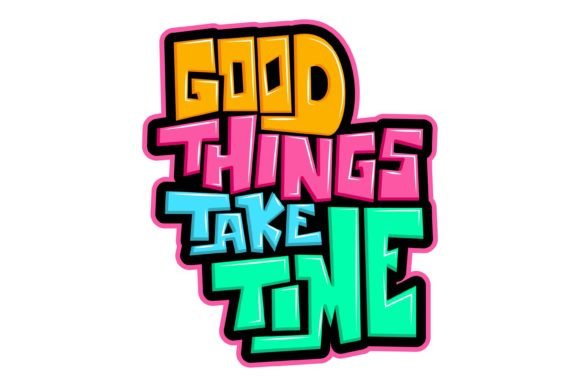
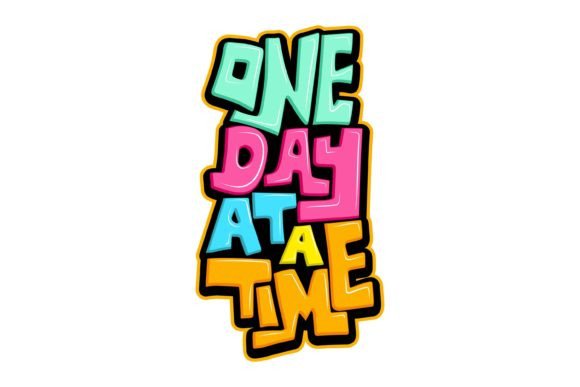
The first thing that stands out about One Day at a Time is its vibrant, eye-catching layout. The typography is clean but expressive, with a modern, upbeat feel that screams motivation. It’s not just a phrase—it’s a visual mood booster. The design uses a mix of bold strokes and subtle gradients, which gives it depth without being overly complex.
This isn’t a minimalist design. It’s meant to be seen, and that’s exactly what makes it ideal for projects where visual impact matters. Think custom apparel, embroidered patches, or even holiday gifts. The color palette is rich, and the overall composition feels balanced—no awkward spacing or cluttered elements.
Real-World Use: How One Day at a Time Performs in Embroidery Projects
When I first opened the files, I was impressed by the variety of formats provided. AI, EPS, and SVG files mean this design is versatile enough for both digital and physical applications. But the real test comes when you actually stitch it onto fabric.
I tried One Day at a Time on a cotton tote bag, a common project for many small business owners and Etsy sellers. The design held up well, with clear lines and consistent stitching. The lettering didn’t get lost in the fabric, and the colors remained vibrant. It’s a great choice for a personalized gift or a statement piece in a craft fair booth.
For a sweatshirt or t-shirt, the design works well, especially if you’re going for a casual, trendy look. However, I’d recommend using a stabilizer to prevent puckering, especially on lighter fabrics. The design doesn’t have any intricate details that would require excessive stitch density, which is a relief for those who want to keep their embroidery simple and efficient.
Where to Be Cautious: Potential Challenges with One Day at a Time
While One Day at a Time is a strong design, it’s not perfect for every application. If you’re working with small hoop sizes, you might find the design too large to fit comfortably. That could lead to extra steps or even a need to split the design into sections—a hassle for quick projects.
On textured or stretchy fabrics, the design might not sit as smoothly as it does on flat, stable materials. Thin or dark fabrics could also affect how the colors show up, so testing on scrap fabric is always a good idea. Tiny lettering or detailed corners can be tricky, especially if the design isn’t optimized for those areas.
If you’re planning to use this on baby clothes or items that will see frequent washing, consider the durability of the stitches. While the design itself is solid, the longevity of the finished product depends on proper stabilization and thread choice.
Impact on Visual Appeal and Customer Perception
One Day at a Time has a strong visual presence. When stitched correctly, it adds a professional touch to any project. For handmade products or personalized gifts, this design can elevate the perceived value. Customers often notice the effort put into the design, and that translates into trust and satisfaction.
As an Etsy seller or small shop owner, this design could be a great addition to your product lineup. It’s easy to customize, visually appealing, and fits well with a range of themes—whether it’s for a holiday gift, a boutique item, or a commercial embroidery project.
It also works well for printable mockups or digital product previews. The vector files make it easy to adjust colors or scale the design without losing quality. This flexibility is a big plus for designers who want to offer multiple versions of the same design.
Practical Designer Notes: What to Check Before Using One Day at a Time
Before committing to a project, I always recommend testing the design on a scrap piece of fabric. This helps you see how the colors and stitches interact with the material. It also gives you a chance to adjust the hoop size or stabilizer type if needed.
Check the thread color contrast—especially if you plan to use this on dark or light backgrounds. The design may look great on a white shirt, but it could fade or blend in on a darker fabric. Also, review the stitch density to ensure it’s suitable for your project’s needs.
If you’re planning to sell finished items or digital products, confirm the licensing terms. Even though the design is described as “100 editable vector and master file,” it’s always wise to double-check what you’re allowed to do with it.
Conclusion: A Strong Choice for Motivational Embroidery
One Day at a Time is a solid machine embroidery design that delivers on its promise of style and clarity. It’s well-suited for custom apparel, embroidered patches, and other creative projects where visual impact matters. With a bit of care and preparation, it can become a valuable asset in your design toolkit.
Whether you're a hobbyist, a craft business owner, or a professional embroiderer, this design offers practical value and aesthetic appeal. Just remember to test it thoroughly and consider the specific requirements of your project before moving forward.